Built with character. Worn by character. Japanese selvedge - the art of denim
Japanese selvedge denim is in all ears RN,
but the hype didn’t happen by accident.
It earned its reputation the slow way: through heritage machinery, obsessive craftsmanship, and fabrics that age better than almost anything else on the market.
What is selvedge denim?
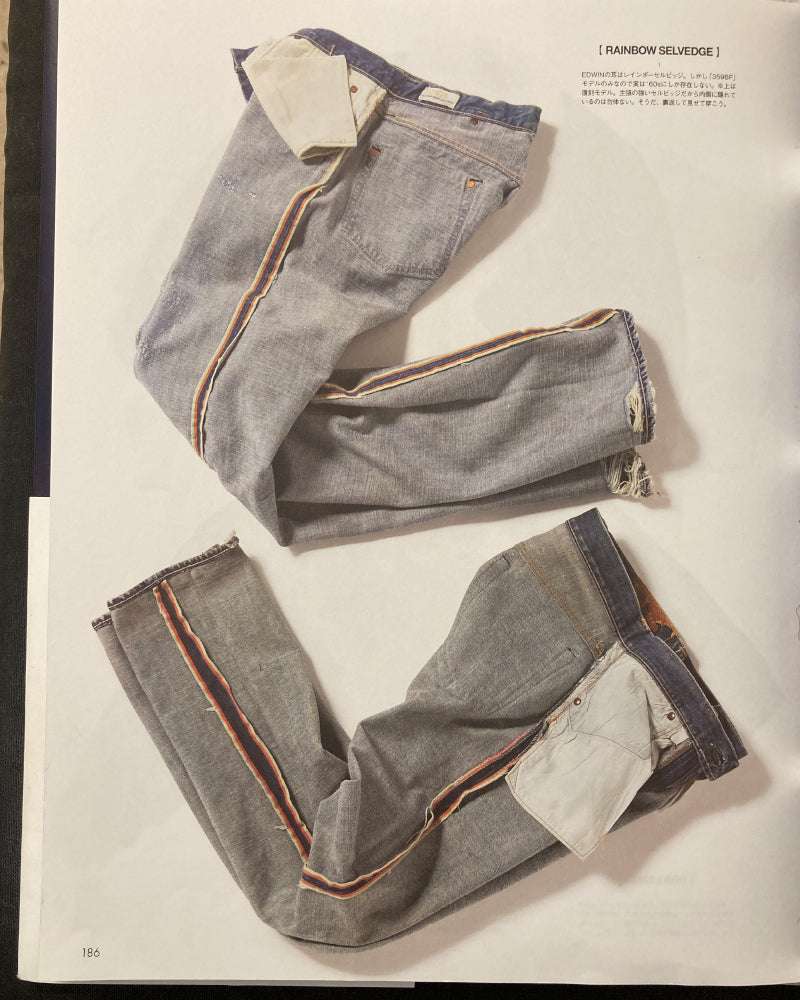
Selvedge (sometimes spelled selvage) refers to denim woven on traditional shuttle looms that create a clean, self-finished edge, literally a “self-edge.” Unlike modern mass-produced denim, the fabric doesn’t fray at the sides, which is why you often see that iconic narrow strip (usually red, but sometimes other colours) when jeans are cuffed. Even brands like EDWIN Japan have experimented with rainbow selvedge edges.
Because shuttle looms weave more slowly and under lower tension, the fabric develops more character, durability, and depth. The result: jeans that mold to the wearer and develop unique fades over time.
picture by FLANEURS.net
In the 1950s–70s, Japan imported vintage American jeans and reverse-engineered them down to the smallest detail, yarn thickness, indigo tone, stitching, and loom tension. When the global industry later switched to faster, cheaper production methods, Japanese mills stayed committed to the old machines. That decision became the foundation of today’s reputation.
The epicenter of this culture is Kojima in Okayama, often called the denim capital of the world.
Why is it so special?
Most shuttle looms still in use today were built before the 1970s. They’re narrow, slow, and require constant maintenance. Operating them isn’t plug-and-play, skilled artisans must adjust tension by feel, repair decades-old machines, and monitor fabric quality continuously. Many of these experts trained through apprenticeships over years, not manuals.
Because production is slow and expertise is limited, supply can’t easily scale when demand rises. That’s part of why selvedge denim carries higher prices, and higher perceived value.
There’s also a practical factor: shuttle looms produce narrower fabric rolls, meaning more material (and more work) is required to construct a garment compared to modern wide-loom denim.

Selvedge denim is made the old way. But that old way creates stronger fabric, better aging, and a deeper connection between maker, material, and wearer.
In a fast-fashion world, Japanese selvedge represents the opposite: patience, precision, and permanence.
'When slowness is intentional,
it becomes a quiet rebellion.'
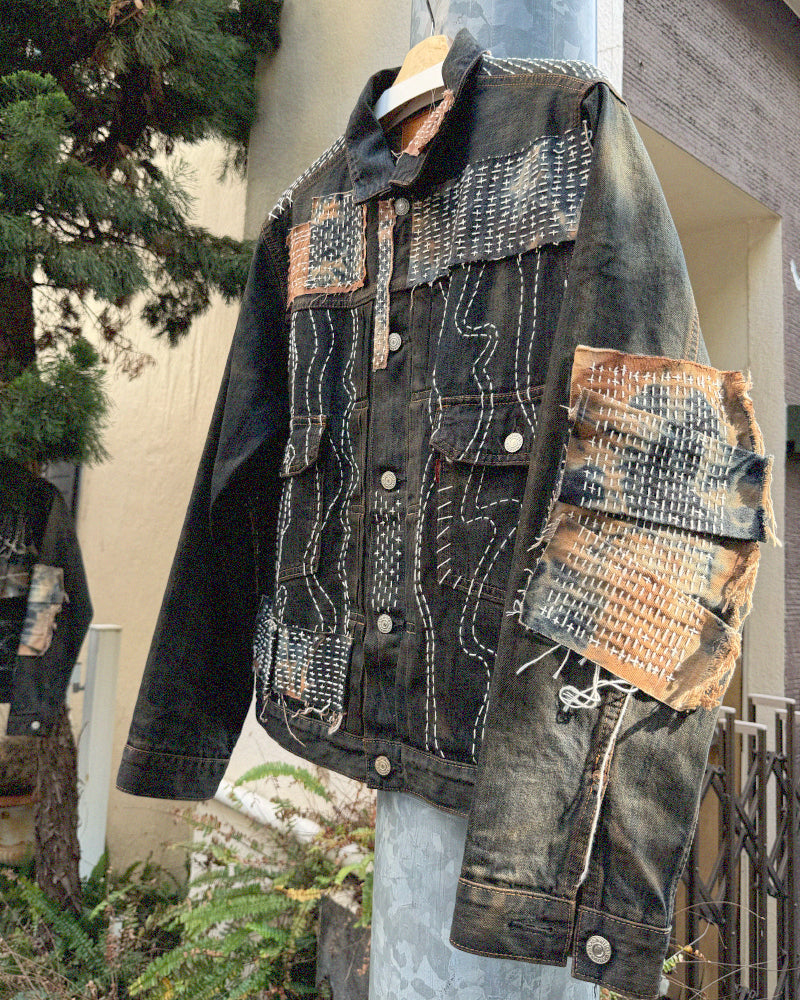
Meet our latest collaboration: EDWIN denim, Kakishibu dye, and contemporary Sashiko needlework, unified through SHOHEI’s signature water-line artwork and the iconic persimmon symbol.


At SHOHEI, we’re all in on Japanese denim, elevated with our signature persimmon finish. But the journey didn’t stop there. Along the way, we discovered an entirely new fascination: contemporary Sashiko design, where tradition meets modern expression.
Explore some of our first drops now on the web-shop below_


Explore more of this on the link ZEN DENIM COLLECTION
This is only the beginning of a bigger story to be told...
The entire capsule collection will be launched in autumn of this year, with selected product drops until then.
Stay excited like we do, and stay tuned.
Next event is happening at the MANA SPACE Ebisu with our launch party in collaboration with BeerBoy PARCO Shibuya